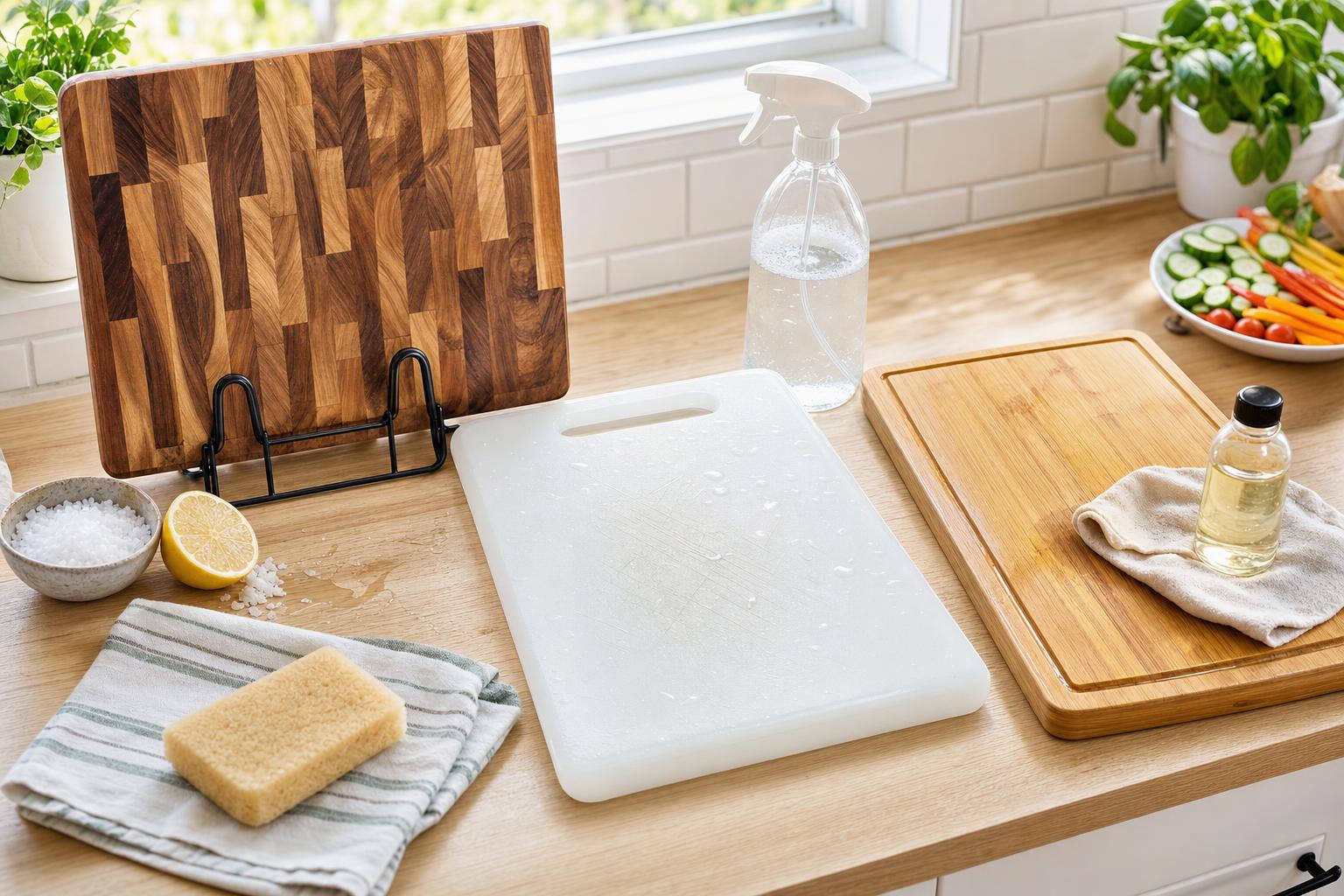

Did you notice dark grooves or a sour smell coming from your cutting board after prepping raw chicken? That is not just unsightly. It can mean bacteria are hiding in knife marks that a quick rinse will never reach. If you are unsure whether your board is still safe to use, this guide walks you through the exact steps for wood, plastic, and bamboo, plus how to tell when a board has reached the end of its life.
TL;DR: Quick Answer
- Wood boards should never soak in water or go in the dishwasher. Hand wash with hot, soapy water, then dry upright immediately.
- Plastic boards can go in the dishwasher and can be disinfected with a diluted bleach solution after raw meat or poultry.
- Bamboo boards behave like wood, not plastic. Avoid the dishwasher and oil them regularly to prevent cracking.
- Oil wooden and bamboo boards about once a month (more often if they look dry), using food-grade mineral oil, not olive oil.
Table of Contents
- Why Cutting Board Hygiene Actually Matters
- How Do You Clean a Wooden Cutting Board?
- How Often Should You Oil a Wooden Cutting Board?
- Can You Use Olive Oil on a Cutting Board?
- Boos Block Cutting Board Care Instructions
- How to Disinfect a Plastic Cutting Board
- Can Bamboo Cutting Boards Go in the Dishwasher?
- How to Clean a Cutting Board That Will Not Fit in the Sink
- Can You Bleach a Cutting Board?
- Best Way to Clean a Cutting Board After Raw Chicken
- How to Remove Stains and Odours From a Cutting Board
- How to Clean Mold Off a Wooden Cutting Board
- How to Dry a Cutting Board Properly to Prevent Warping
- Wood vs Plastic: Which Is More Sanitary?
- Cutting Board Comparison Table
- Manager's Checklist: Deep Clean and Sanitize All Boards
- Frequently Asked Questions
- Key Takeaways
Why Cutting Board Hygiene Actually Matters
A dirty cutting board can spread bacteria from raw meat to the vegetables you serve raw. Consequently, small grooves from knife cuts become hiding spots for food particles and moisture. In addition, a board that is never dried properly can warp, crack, or grow mold over time.
Our team at Beemaids regularly sees kitchens where the cutting board gets less attention than the countertops. However, this one item touches almost every meal. Therefore, it deserves a proper routine, not just a quick rinse under the tap.
How Do You Clean a Wooden Cutting Board?
Wash a wooden cutting board by hand with hot water and dish soap right after use. Scrub both sides with a sponge or brush, rinse well, and stand it on its edge to dry. Never soak it or run it through the dishwasher.
Wood is porous, which means it absorbs water. As a result, soaking or dishwasher cycles can cause the board to swell, crack, or split apart at the seams. Instead, follow these steps every time you use the board:
- Scrape off food debris with a spatula or the back of a knife.
- Wash with hot, soapy water using a sponge or soft brush, working along the grain.
- Rinse thoroughly under running water. Avoid letting the board sit in a full sink.
- Stand the board upright in a dish rack so air reaches both sides evenly.
- Once fully dry, store it flat or upright in a well-ventilated spot.
For a deeper clean, sprinkle coarse salt over the surface, then rub it in with half a lemon. This combination lifts stains and neutralizes odours without harsh chemicals. If you prefer a disinfecting rinse, a diluted white vinegar solution works well and dries without leaving a strong residue.
How Often Should You Oil a Wooden Cutting Board?
You should oil a wooden cutting board about once a month under normal use. However, if the surface looks dry, pale, or feels rough, oil it sooner. Boards used daily may need oiling every one to two weeks.
Oiling keeps the wood fibres conditioned, which helps prevent cracking and resists water absorption. First, make sure the board is completely clean and dry. Then, apply a generous amount of food-grade mineral oil with a cloth, let it soak in for several hours or overnight, and wipe off any excess before using the board again.
Can You Use Olive Oil on a Cutting Board?
No, olive oil is not recommended for cutting boards. Unlike mineral oil, olive oil is a food oil that can turn rancid over time, leaving an unpleasant smell. Use food-grade mineral oil or a specialty board cream instead.
Many people reach for olive oil because it is already in the pantry. Unfortunately, cooking oils like olive, vegetable, or canola oil contain organic compounds that break down and spoil. On the other hand, mineral oil is shelf-stable, food-safe, and specifically formulated to penetrate wood without going bad. Beeswax-based board conditioners are another good option, especially for boards that see heavy use.
Boos Block Cutting Board Care Instructions
Boos Block and similar premium end-grain boards follow the same core wood care rules: hand wash, never soak, and dry upright. Additionally, these boards benefit from monthly oiling and an occasional coat of butcher block conditioner to maintain their finish.
If you have invested in a thick, end-grain board, a little extra care goes a long way. Specifically, avoid placing it near direct heat sources, such as a stove or dishwasher vent, since rapid temperature changes can cause warping. Furthermore, rotate the board occasionally so both sides get equal use and equal airflow during drying.
Sample Weekly Cutting Board Care Routine
- After every use: Scrape, wash by hand, rinse, and dry upright.
- Weekly: Scrub with coarse salt and lemon to lift odours and light stains.
- Monthly: Apply food-grade mineral oil and let it absorb overnight.
- Every few months: Apply a beeswax conditioner for extra water resistance.
- As needed: Sand down deep knife grooves if they begin trapping debris.
How to Disinfect a Plastic Cutting Board
Disinfect a plastic cutting board by washing it with hot soapy water, then soaking it briefly in a diluted bleach solution of one tablespoon of bleach per gallon of water. Rinse thoroughly afterward and air dry.
Plastic boards are non-porous, which means they do not absorb liquid the way wood does. As a result, they can safely go in the dishwasher, where high heat helps kill bacteria. However, plastic develops deep knife grooves over time, just like wood. Therefore, once a plastic board shows heavy scarring or discolouration that will not scrub out, it is time to replace it.
Can Bamboo Cutting Boards Go in the Dishwasher?
No, bamboo cutting boards should not go in the dishwasher. Although bamboo is technically a grass, it behaves like wood when exposed to heat and moisture. Dishwasher cycles can cause bamboo boards to crack, split, or delaminate.
Many shoppers assume bamboo is closer to plastic because of its hard, smooth surface. In reality, bamboo shares more in common with hardwood boards. Consequently, wash bamboo by hand, dry it standing up, and oil it on a similar schedule to a wooden board, roughly once a month.
How to Clean a Cutting Board That Will Not Fit in the Sink
Clean an oversized board on the countertop using a spray bottle of hot soapy water or a diluted vinegar solution. Scrub with a sponge, wipe with a damp cloth to rinse, then dry with a clean towel and prop it upright.
Large end-grain boards are popular in Canadian kitchens, especially among home cooks who entertain often. However, these boards rarely fit under a kitchen tap. Instead of forcing it into the sink, try this countertop method:
- Lay a towel on the counter to protect the surface and catch drips.
- Spray the board generously with hot, soapy water or a vinegar solution.
- Scrub with a sponge or brush, paying attention to grooves and edges.
- Wipe the surface with a clean, damp cloth to remove soap residue.
- Dry immediately with a towel, then stand the board on its edge to air dry fully.
This approach also works well for anyone without a double sink or with limited counter space, a common layout in many Ottawa and Gatineau apartments.
Can You Bleach a Cutting Board?
Yes, you can bleach a plastic cutting board using a diluted solution, but bleach is not recommended for wood or bamboo. Bleach can dry out and damage wood fibres, so stick to vinegar or hydrogen peroxide for those materials instead.
For plastic boards, mix one tablespoon of unscented household bleach with one gallon of water. Soak the board for a few minutes, then rinse thoroughly and let it air dry. On the other hand, wood and bamboo respond better to a straight vinegar rinse or a hydrogen peroxide pour, followed by a thorough rinse and immediate drying.
Best Way to Clean a Cutting Board After Raw Chicken
After cutting raw chicken, wash the board immediately with hot, soapy water, then disinfect it. Use diluted bleach for plastic boards or a vinegar and hydrogen peroxide combination for wood and bamboo boards.
Raw poultry carries bacteria that can cause foodborne illness if left on a surface. Therefore, timing matters as much as the cleaning method. First, wash the board right after use, never leaving it to sit while you finish cooking. Second, use a separate board for raw meat whenever possible, which is a simple habit that reduces cross-contamination risk significantly. Finally, always wash your hands and any knives that touched the raw chicken before moving on to other ingredients.
How to Remove Stains and Odours From a Cutting Board
Remove stains and odours by scrubbing the board with coarse salt and half a lemon, letting the mixture sit for a few minutes before rinsing. For stubborn smells, a baking soda paste works well on both wood and plastic.
Onion, garlic, and beet juice are common culprits behind lingering odours and discolouration. In addition to the salt and lemon method, try this baking soda approach:
- Mix baking soda with a small amount of water to form a paste.
- Spread the paste over the stained or smelly area.
- Let it sit for 10 to 15 minutes.
- Scrub gently with a sponge, then rinse and dry thoroughly.
If odours persist after multiple attempts, the board may have absorbed bacteria deep into its grooves. At that point, it is worth considering a replacement, particularly for plastic boards with deep scarring.
How to Clean Mold Off a Wooden Cutting Board
Clean mold off a wooden board by scrubbing the area with a paste of baking soda and water, then wiping it down with a vinegar solution. If mold has penetrated deep into the wood, the board should be discarded.
Mold usually appears on wooden boards that were stored damp or kept in humid conditions. First, scrub the visible mold with the baking soda paste described above. Next, wipe the area with undiluted white vinegar, which has mild antifungal properties. However, if you can still see dark spots after scrubbing, or if the mold has a fuzzy texture that will not lift, it is safer to replace the board entirely rather than keep using it.
How to Dry a Cutting Board Properly to Prevent Warping
Dry a cutting board by standing it upright immediately after washing, allowing air to reach both sides evenly. Never leave a wooden or bamboo board flat on the counter or soaking in water, since uneven drying causes warping.
Warping happens when one side of a board dries faster than the other, causing the wood fibres to contract unevenly. To prevent this, use a dish rack, a drying stand, or simply lean the board against a wall with airflow on both sides. Moreover, avoid placing wooden or bamboo boards near direct sunlight or heat vents, since rapid drying can be just as damaging as staying wet too long.
Wood vs Plastic: Which Is More Sanitary?
Research on wood versus plastic shows that both materials can be sanitary when cleaned properly, though they fail in different ways. Wood has natural antibacterial properties, but it can scar deeply. Plastic resists moisture better but shows grooves just as easily over time.
Are wooden cutting boards sanitary? The short answer is yes, as long as you follow a consistent cleaning and drying routine. Wood's natural density can trap bacteria below the surface, where it eventually dies off, rather than spreading across the top like it can on a scarred plastic board. However, neither material is automatically safer. The real deciding factor is how well the board is washed, dried, and replaced once it becomes too worn.
Cutting Board Comparison Table
| Board Type | Dishwasher Safe | Oiling Needed | Best Disinfectant | Replace When |
|---|---|---|---|---|
| Wood | No | Monthly | Vinegar or hydrogen peroxide | Deep cracks or persistent odour |
| Plastic | Yes | Not required | Diluted bleach solution | Deep grooves that will not scrub clean |
| Bamboo | No | Monthly | Vinegar or hydrogen peroxide | Splitting or delamination |
Manager's Checklist: Deep Clean and Sanitize All Cutting Boards
Monthly Deep Clean Checklist
- Inspect every board for deep knife grooves, cracks, or discolouration.
- Wash each board by hand, even plastic ones, to remove built-up grease.
- Disinfect: bleach solution for plastic, vinegar or hydrogen peroxide for wood and bamboo.
- Rinse thoroughly and dry upright before storing.
- Oil wooden and bamboo boards with food-grade mineral oil.
- Retire any board with cracks deep enough to trap food or liquid.
This routine fits naturally alongside other kitchen upkeep tasks. If you are also tackling broader home upkeep, our guide on overlooked areas that need regular cleaning covers other spots that often get missed. For a full kitchen refresh, see our tips on deep cleaning your home.
Frequently Asked Questions
What is the best way to clean a wooden chopping board?
The best approach is hand washing with hot, soapy water right after use, followed by thorough rinsing and upright drying. Avoid soaking the board or placing it in the dishwasher.
What are the care instructions for a Boos Block wood cutting board?
Boos Block boards follow standard wood care: hand wash, never soak, dry upright, and oil monthly with food-grade mineral oil or a butcher block conditioner.
Can I rub olive oil on my wooden cutting board?
It is not recommended. Olive oil can turn rancid over time. Food-grade mineral oil is the safer, shelf-stable choice for conditioning wood.
How sanitary are wooden cutting boards?
Wooden boards can be very sanitary when cleaned and dried consistently. Wood has natural properties that can trap and reduce surface bacteria, though deep scarring still requires attention.
How do you clean a cutting board that does not fit in the sink?
Use the countertop method: spray with hot soapy water, scrub, wipe clean with a damp cloth, then dry immediately and stand the board upright.
How often should you oil a wooden cutting board?
About once a month for average use, though boards used daily may need oiling every one to two weeks, especially if the surface looks dry.
Can you use bleach safely on cutting boards?
Yes, for plastic boards, using a diluted solution of one tablespoon of bleach per gallon of water. Avoid bleach on wood or bamboo, since it can dry out the fibres.
Is it safe to put a bamboo cutting board in the dishwasher?
No, bamboo should be hand washed and dried upright, just like a wooden board, to avoid cracking or splitting from dishwasher heat and moisture.
Key Takeaways
- Wash wood and bamboo boards by hand; never soak or place them in the dishwasher.
- Plastic boards can go in the dishwasher and tolerate diluted bleach for disinfecting.
- Oil wooden and bamboo boards about once a month using food-grade mineral oil, not olive oil.
- Dry all boards upright immediately after washing to prevent warping.
- Replace any board, regardless of material, once cracks or grooves become too deep to clean.
- After raw chicken or other meat, wash and disinfect the board right away, not at the end of meal prep.
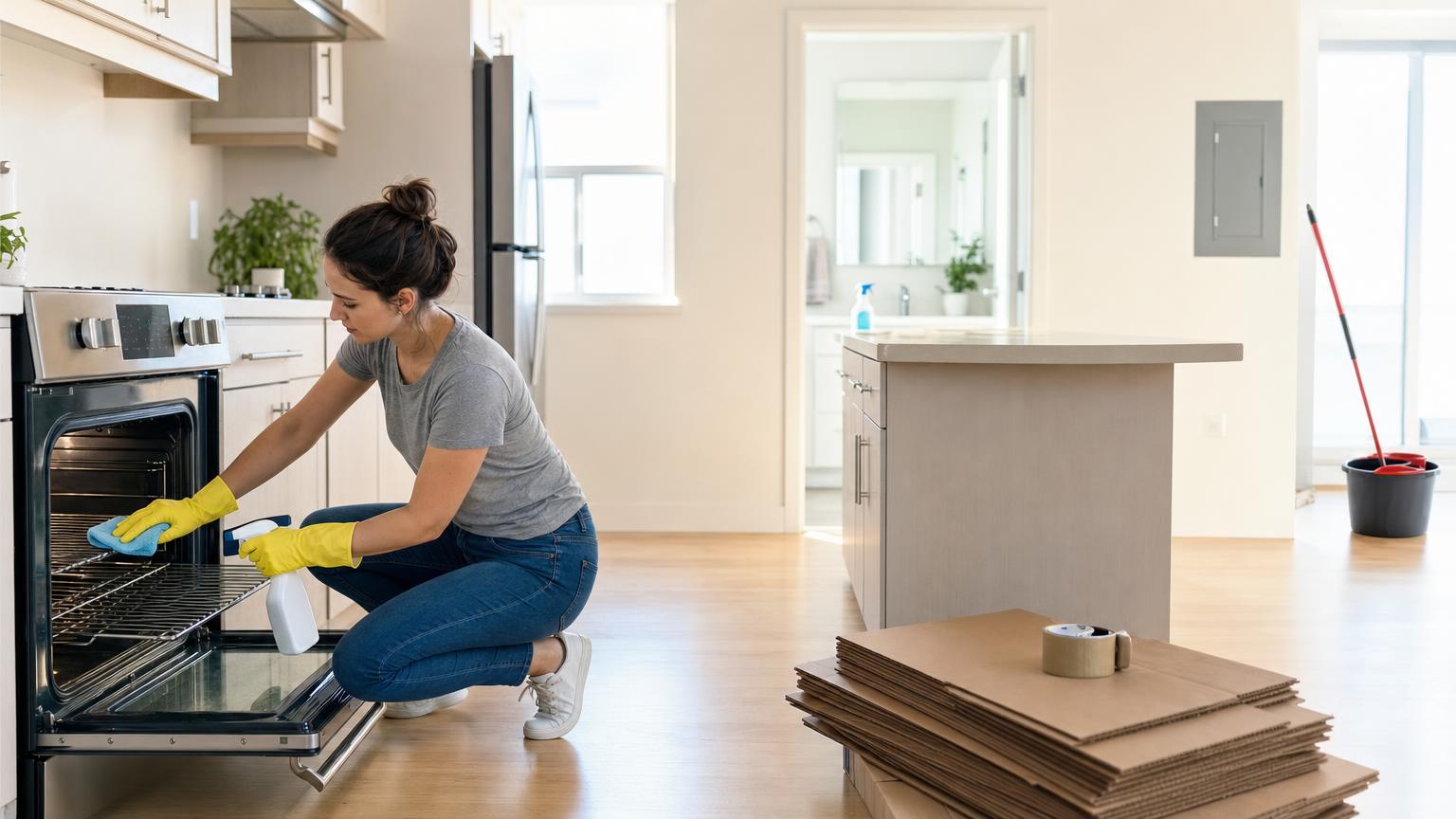
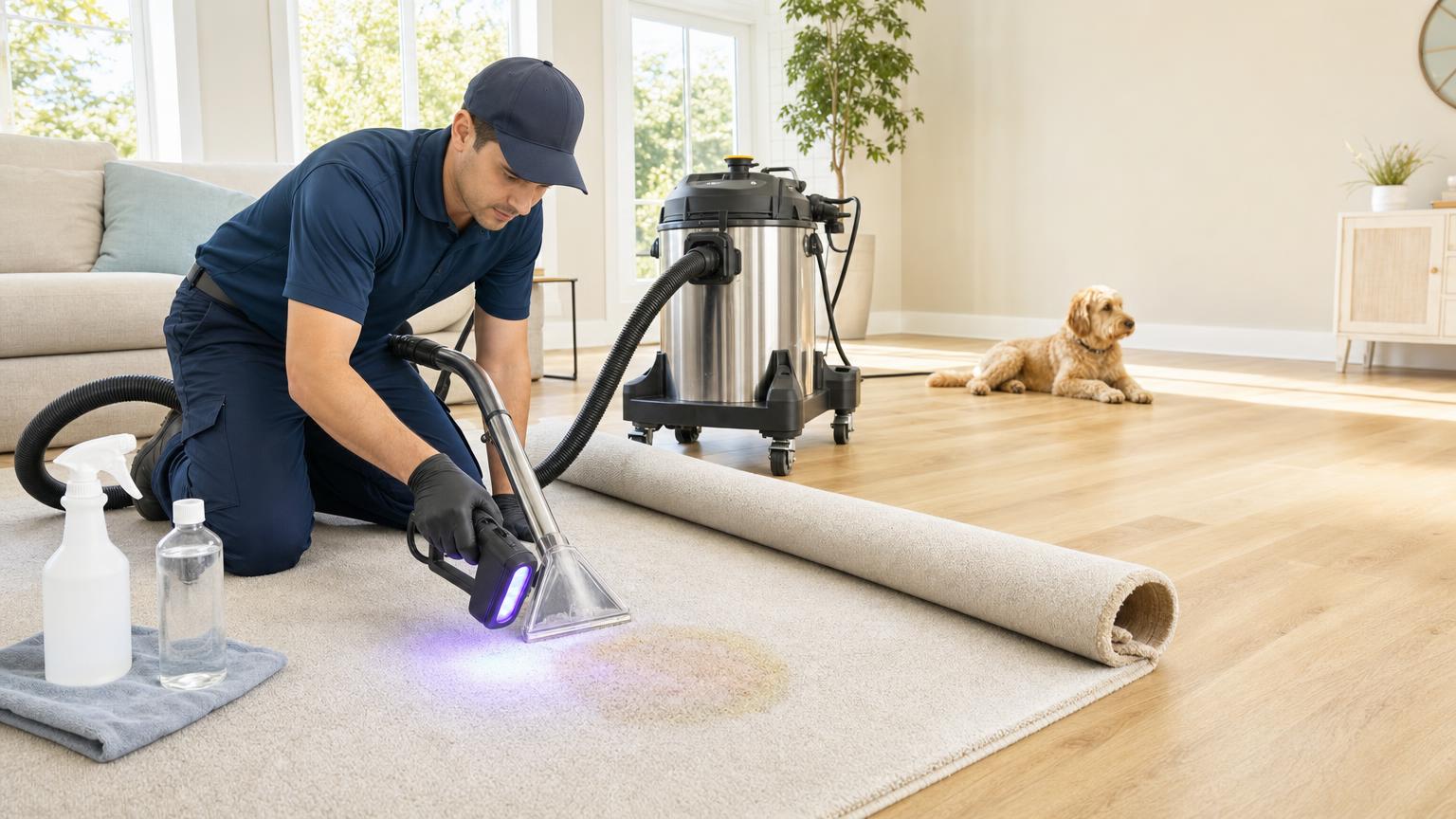
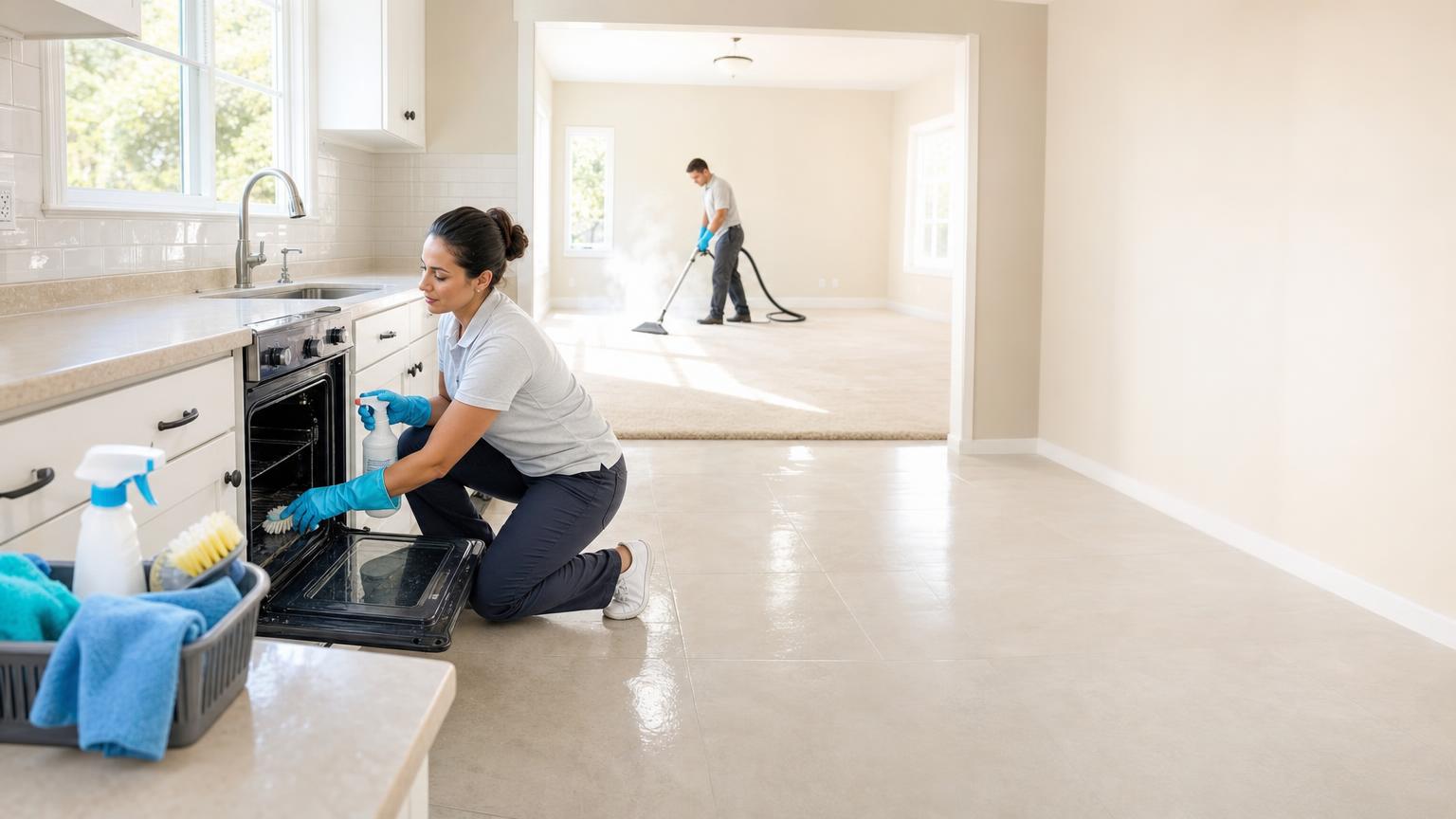
A clean cutting board is a small habit that protects your whole kitchen. If keeping up with kitchen hygiene and the rest of your home feels like a lot to manage on top of work and family life, consider bringing in professional help. Check available deep cleaning appointments with Beemaids and let us help you keep every corner of your home, including the kitchen, consistently spotless.
Leave a comment +
Leave a Reply
Your email address will not be published. Required fields are marked *